One layout. Every market, every placement.
A finished static creative goes in. It comes back repainted for every market you sell in and every shape the buy needs — with the type re-fitted to the words it actually has, not stretched to the words it used to have.
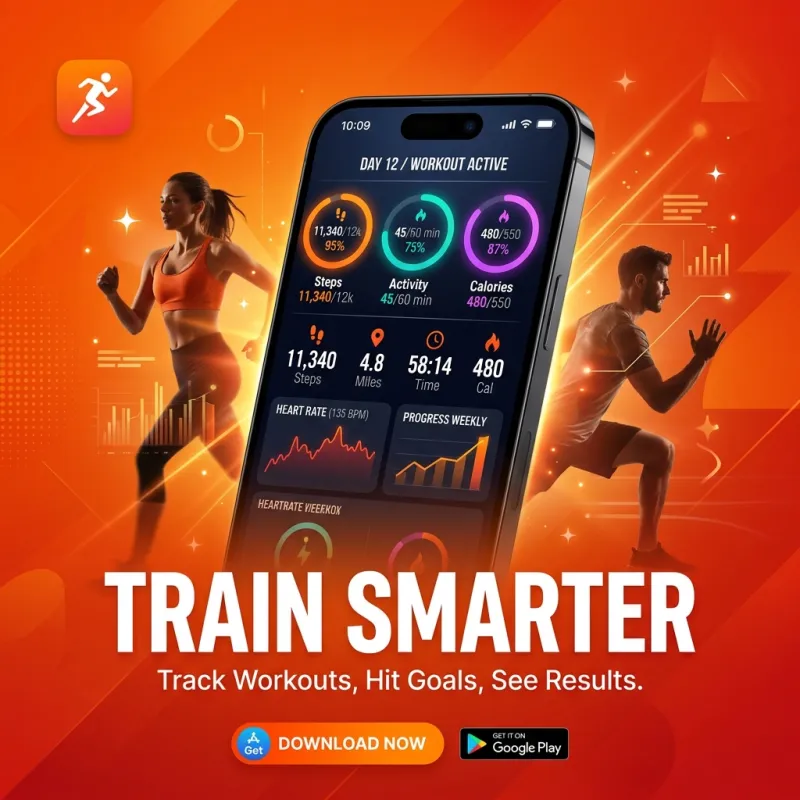
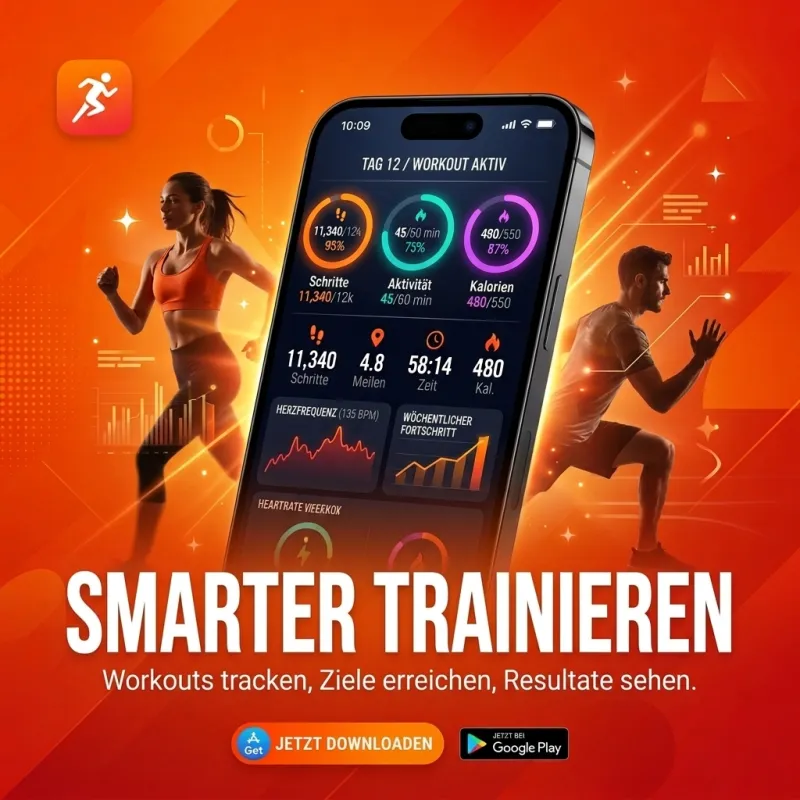
A finished static creative with the copy already in the pixels — PNG, JPG or WebP — and the language it is written in.
The same creative repainted for each market you picked, at the resolution you chose, in each placement you asked for, named in your own convention.
Translated in place, never redrawn from scratch
The lines are read off your creative, translated, and written back into the same layout. Nothing is invented: there is no path here that generates a new creative from a description, because a layout that came back "inspired by" yours is not a localization and cannot be checked against anything.
Change one line on a creative you already have
The copy we read off your creative is delivered with it, line by line. Edit a line and we redraw that line onto the delivered image rather than going back to your master, so the lines that came out right are not rolled again. It is a purchase like any other repaint — except where our own redraw lost a line you had approved, in which case the first fix on that creative is ours.
One reading, every placement
The reading happens once per creative and per market, and every placement of that creative is drawn from it — so a square and a leaderboard of one asset say the same thing, and a claim you get right is right in all of them. Correcting one after delivery is buying that redraw again, and the redraw is nearly the whole price of a delivered creative; we are not going to dress that up as a discount.
The copy inside the photograph, too
Packaging, a sign, a label, a phone screen in shot — text that lives inside the image rather than on top of it is repainted with the original type, lighting and surface matched. This is the part most tools leave to a retoucher, and it is also the part most likely to need a human eye, which is why every delivery is read back and checked rather than shipped on trust.
Four placements from one master, and the master’s own shape
Story 9:16, feed 4:5, square 1:1, landscape 16:9 — plus the shape your master already is, which is what you get by default. Five at most in one submission, and each is composed for its own frame rather than cropped out of another. Each extra shape is a real extra charge because it is a real extra generation, and extra shapes are on every plan. There is no custom ratio and no banner ratio: a shape that is not on that list is refused when you submit, not silently approximated.
Your brand glossary, on image text
Brand names, product names, the terms your industry spells its own way — fixed once and applied between the reading and the redraw, deterministically, longest term first so one entry cannot eat half of another. It is the same glossary, and the same list of terms, that your video jobs use — so a term is spelled identically in a banner and in that video’s subtitles. It does not reach a dubbed voice: the dubbing provider translates the speech itself and is not sent your glossary. On a creative it goes further than a rewrite, because the terms are in the instruction the model is given before it writes a word — which is the only way to say “this is a name, leave it” at all. On every plan.
What we deliver is read back and compared
Not "is this spelled correctly" — that check passes the failure it exists to catch. The delivered pixels are transcribed and compared character for character against the wording that was approved. In testing, a sample typed 50%オFF — katakana followed by Latin FF, a genuine typo — and the model silently corrected it to real Japanese. A creative carries brand names, product codes, prices and legal lines; a model with licence to improve any of them turns your approval into evidence against you. A creative that fails the comparison is redrawn twice at no charge. If a line still has not survived, you get the creative anyway, with that line named on the job page next to an editable copy of it — fix the wording there and only that line is redrawn. We would rather hand you a creative and tell you exactly what is wrong with it than hand you nothing.
A campaign is one submission and one history
Thirty creatives across eight markets is one action, priced and confirmed once, and every row of it survives a refresh — it is a durable job, not a browser tab holding your work until something reloads. Files come back named by your own ad-ops convention, with the language token swapped in its correct position and the extension forced to match the bytes we actually produced.
You pick the size you receive
Not a quality setting — the size of the file. Every creative comes back at the pixels you uploaded, and where a smaller delivery genuinely exists we offer it for less and say what it is. How much we buy from the model to get there is our arithmetic, not a question to put to you: a display banner does not need what a hero needs, and working that out is our job.
Same size
The default, and almost always the only one anyone wants: the file comes back at the pixels you sent us.
Smaller, for less
Offered only when a smaller delivery really exists — a 970×250 banner is already at the smallest size we make, so nothing is offered on it.
Other placements
A campaign is bought for a placement, and a placement is a size. Each one is composed for its own frame rather than cropped out of another.
Those three sizes are what we measured coming back from a story-shaped 9:16 master. A banner is a different shape and gets a different pair, which is why the picker computes it from your file rather than printing a table. Two rules go with the choice and neither is negotiable: we never enlarge — the delivered file is the smaller of what came back and what you asked for — and where a lower tier does not actually cost less, the picker says so rather than letting you take a saving that is not there.
What it takes
| Formats in | PNG, JPG or WebP, up to 150 MB a file. |
| Format out | PNG. A delivery of a megapixel or less — which is what a banner is — is squeezed under 150 KB so an ad platform accepts it without a fight. |
| Largest master | 30,000 px on the long edge, 80 megapixels, and no more lopsided than 20:1. |
| Placements | The master’s own shape, which is the default, plus any of 9:16, 4:5, 1:1 and 16:9. Five at most per creative. The list is closed — there is no custom ratio and no banner ratio, and a shape that is not on it is refused rather than approximated. |
| Source language | Required, not guessed. Reading a German master while being told it is English is a whole batch of confidently wrong output, and the filename convention cannot swap a language token it was not given. |
| Transparency | Accepted, and passed to the redraw with its alpha channel intact — we do not flatten it onto anything, and there is no colour to choose. What comes back is what the redraw returns, and the delivery records whether it still carries transparency. |
| Markets | The most spoken languages on earth, drawn from the same registry Video uses but deliberately shorter than it. The line is drawn by demand — a language is absent because nobody is buying it, not because we could not draw the alphabet. Every writing system in the list has been measured on the model that will serve you, so no market is offered with a warning attached and none is greyed out. The server that accepts the job holds the list, so the picker cannot offer a market the door would refuse. |
| One submission | Up to 100 masters, and up to 2,000 jobs once those are multiplied by your markets and your shapes — a job is one reading of a creative for one market, or one image drawn from it. A campaign of thirty creatives into eight markets in three shapes is 960 jobs and goes in one press. Over the ceiling the submission is refused whole, with the count, before anything is charged. |
| Extra placements | On every plan. Each shape is its own generation and its own charge. |
| Output kept for | The period your plan includes, then deleted — one day on the free tier and three on Starter, which is worth knowing before you submit a campaign on a Friday. |
What else is in the file you get
The delivered image is drawn by a generative model, and the pixels carry SynthID — an invisible watermark Google embeds in everything its image models produce. It is not ours to remove, we cannot read it either, and it survives re-encoding, cropping and resizing because it is designed to. If your channel or your client forbids machine-generated imagery, this is the fact to check the policy against before you buy, not after.
A second, separate mark travels with every delivered creative: a signed C2PA content-credentials manifest in the metadata, which anybody can read and which says a generative model made the file. Google attaches one; we re-encode every creative, to force the file type and to keep display banners under the ad networks’ byte limits, and a C2PA signature covers a hash of the pixels — so theirs cannot survive that and ours takes its place. Ours is signed with our own certificate, which is in no trust list: a validator shows the manifest and marks the issuer unverified, because nobody has vouched for the name. The invisible watermark above is unaffected either way.
Both are in the Terms, in the same words.
What you are charged for
You pay only for what you receive. A creative the model declines to redraw is not a delivery and is not charged — and because the same creative can be declined on one run and served on the next, it is tried again before anything fails. If a job fails, the credits come back in full and automatically, even where we have already paid for the work. That loss is ours.
There is one exception, and it is the only one: if you stop a generation after it has started, it is not refunded. The call was already made, on your instruction, and it was paid for.
And one consequence worth saying twice: an edit you buy on a delivered creative is a job like any other. If it fails, those credits come back; and where our own redraw lost a line you had approved, the first fix on that creative was never charged for.
What it does not do
- Write you a shorter headline. Every line comes back with how much longer the translation is than the original, so you can see which claims grew, on the copy sheet delivered with the creative — and you fix one by editing that line and letting us redraw it onto the image. Nothing is ever silently replaced by a paraphrase a machine wrote and shipped in your brand’s name.
- Promise you transparency back. Your master keeps its alpha channel on the way in, but what the redraw returns is the redraw’s to decide, and keying an alpha back out of it would look right on hard edges and be quietly wrong on every shadow and antialiased curve — which is worse than saying no.
- Make two different creatives word a claim identically. Wording is consistent between the shapes of ONE creative and is not carried between creatives — the same headline on your second creative is translated again and can come back phrased differently. The glossary fixes brand terms everywhere; it does not make two translations of one sentence the same sentence. That limit is written beside the control, not discovered on delivery.
- Enlarge anything. The delivered size is the smaller of what the model returned and what you asked for. If the tier you picked comes back below your master, that is what you get, and the picker says so before you choose.
- Accept a translation you supply. There is one path in and it is ours — you can correct a line on the creative we delivered and have it redrawn, but a finished copy deck handed over up front is not an input the product takes.
- Refuse to bill for a font problem, because that is not what the font check is. It reports whether YOUR brand face can draw a script, so you know a Thai creative will not match the rest of your kit. The glyphs in the delivered image are drawn by the model, not by our font stack.
- Replace a designer’s eye on hero creative. This exists for the thirty variants nobody has time to make well, not for the one that will run for a year.
Try it on one creative
The cost of the batch is shown against your balance before anything runs, and one creative in one market is the cheapest way to find out whether the output is good enough for your brand.